· 2 min read
3D Printing: The doors that open when you can fabricate
As a maker with a mechanical background, rapid physical prototyping opened up doors and careers for me.
Introduction
Oftentimes the fastest way to learn is to fail. If you want to learn and grow, figure out how to reach failure faster. Iteration is practice, and for a creative mind, being able to prototype ideas and models is the fastest way to understand engineering principles.
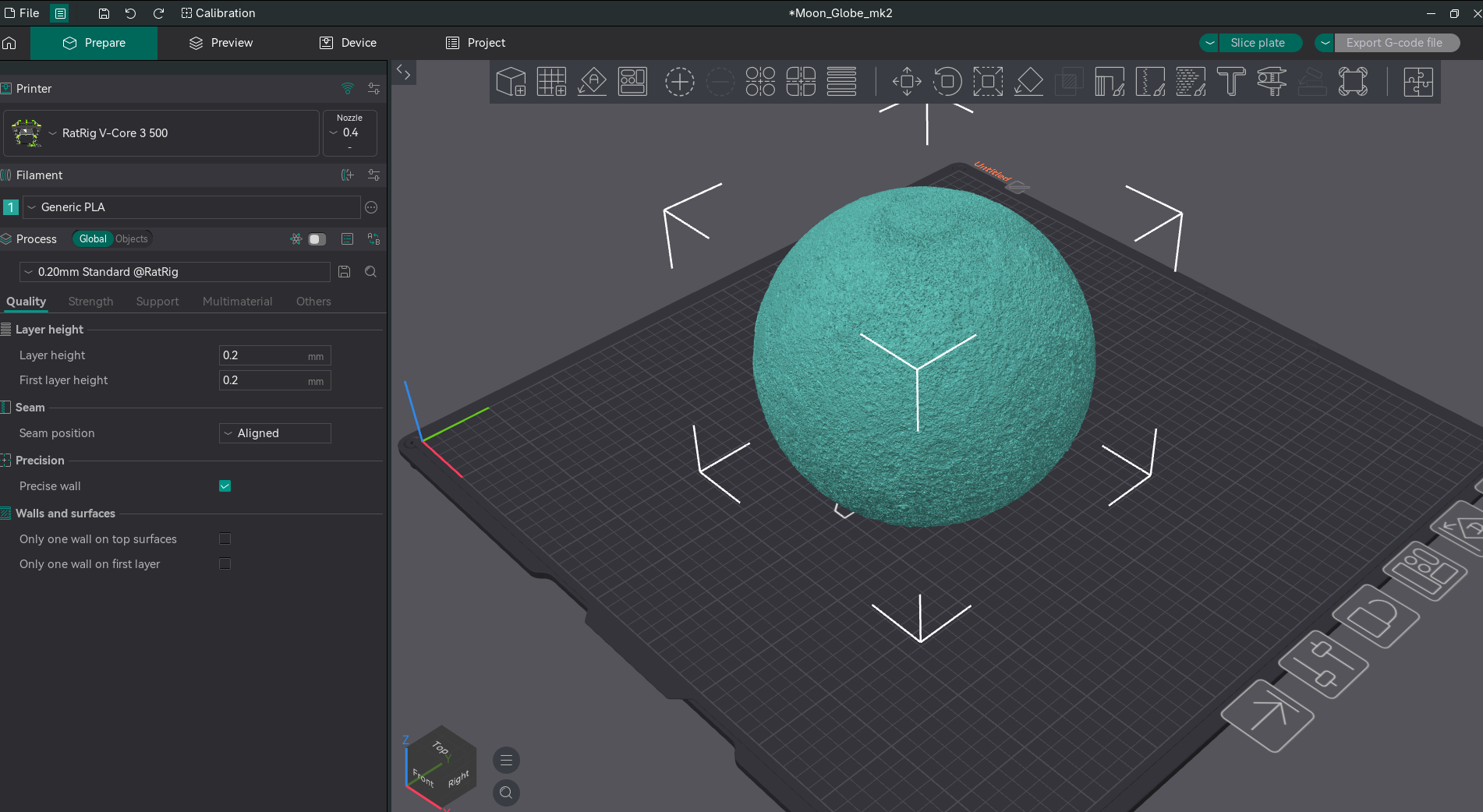
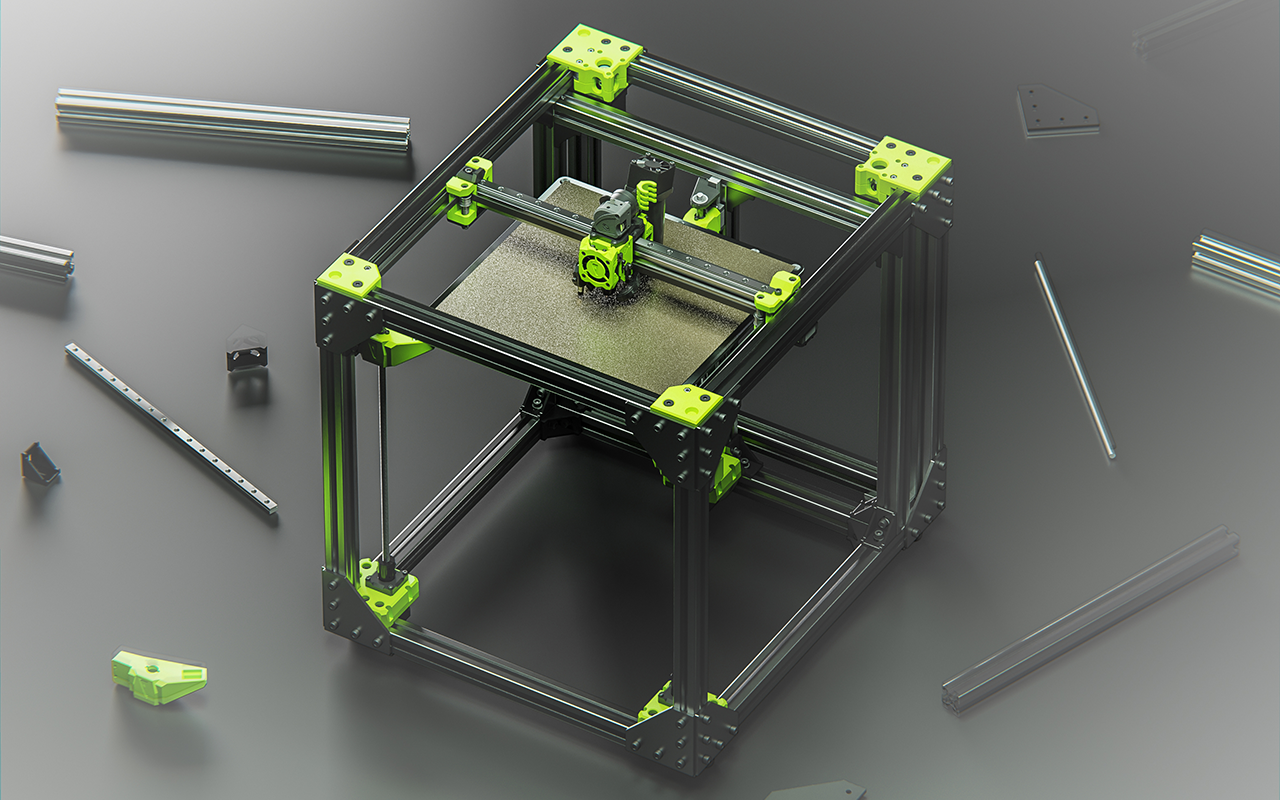
From a simple “bedslinger” that I would select prints from an SD card, to an automated system that allowed me to directly export my CAD models to my CoreXY RatRig with realtime remote monitoring. Please enjoy learning how I enabled myself to fail faster, and fail forward.
How I Discovered 3D Printing
My journey into 3D printing began with a desire to create custom parts for my projects. I had been making small models on Sketchup, and later changed to AutoDesk’s AutoCAD. With AutoCAD I was able to design 2D geometry that I could then cut out of metal with a plasma cutter. I used this to help custom fabrication for parts on my 1953 Willys truck restoration. However, after learning 2D, I really wanted to move to 3D design, but I had no way to build anything I created, and certainly not in a manner affordable to a young teenager.
To many of you, this may not be a surprise, but an internet search of “How to quickly make prototypes” will put you right in the middle of 3D printing communities and tutorials.
Why I Chose 3D Printing
To cut straight to the chase, I chose it because it was cheap. Accuracy was a very large concern for me, until I realized that all of my sheet metal work had tolerances of an 1/8th inch or more. The accuracy of an Ender 3 or in my case, an Artillery Sidewinder X1, is well within that tolerance.
With the cost of a roll of filament being ~$20, and all of my prints being functional, color did not matter, and I was able to easily feed standard PLA to test almost all of my prototypes.
Features and Benefits
This is project where I felt as though scope creep was a major feature and benefit.
Implementation and Usage
Setting up a 3D printer and learning the basics of CAD software were the first steps in my journey. Over time, I mastered the art of slicing and optimizing prints.
Conclusion
3D printing continues to be an invaluable tool in my workflow, enabling me to bring my ideas to life with precision and efficiency.